Every piece makes one argument and backs it with numbers we can source. No brochure copy, no filler.
Florida Spent 2026 Waiting for a Rate Cut. The Fed's New Chair Just Signaled a Hike.
Kevin Warsh told Jackson Hole that interest rates may need to rise, and Wall Street is now pricing a December increase. Florida logged its 11th straight month of sales gains anyway.
An Oil Shock Just Did What the Fed Wouldn't: Florida's Mortgage Rate Jumped to 6.74% in Two Days
The September rate cut buyers priced in got overwritten by airstrikes near the Strait of Hormuz. Florida already proved you cannot time this, with 11 straight months of sales gains.
Florida's Mortgage Rate Is Now Higher Than a Year Ago. The Buyers Who Waited Out 6.50% Are the Ones Paying.
The 30-year fixed hit 6.71% on September 3, above where it sat last fall. In Florida, waiting a year cost about $1,500 in payment, $15,000 in price, and a shrinking pool of homes.
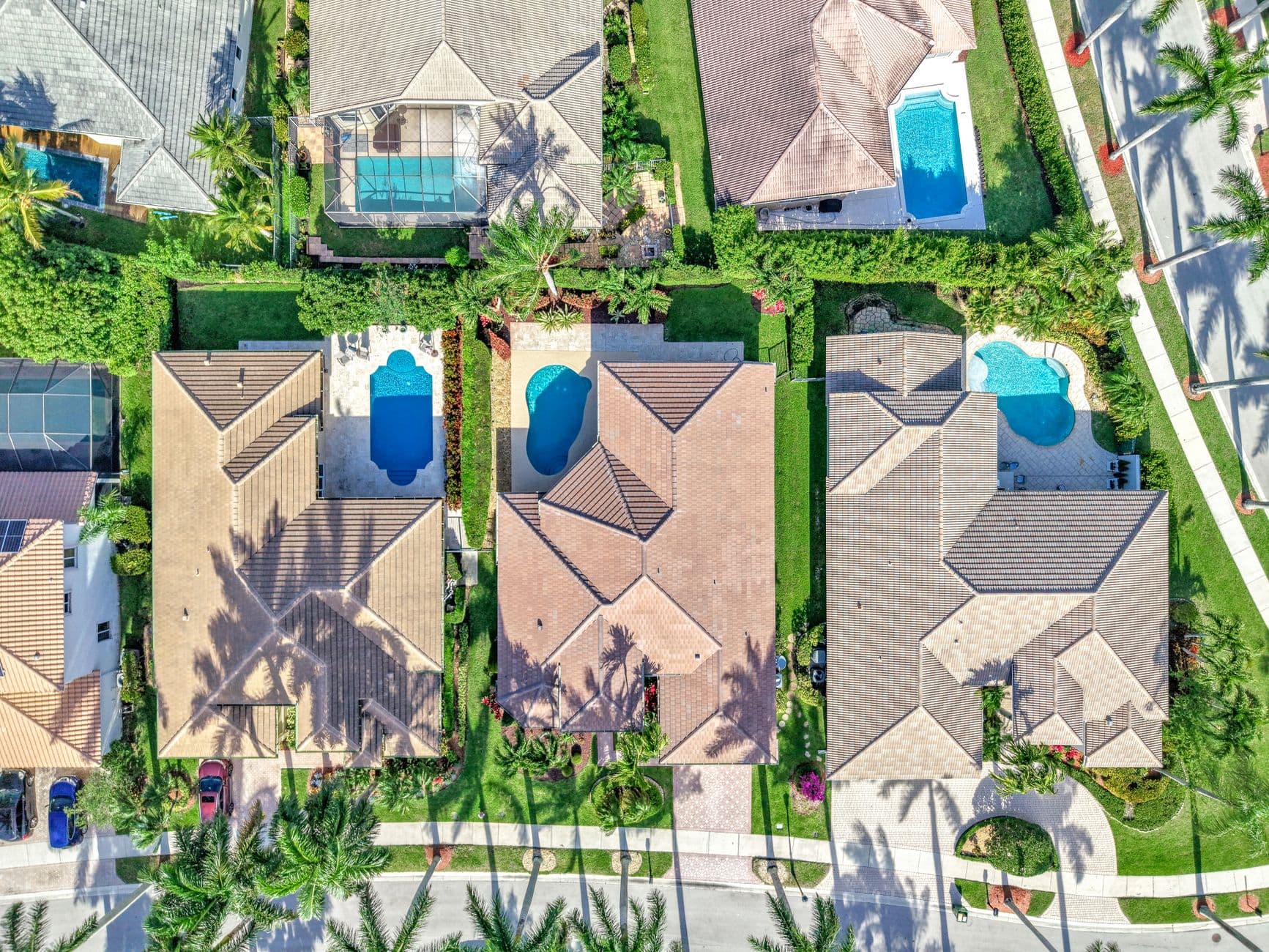
Florida's Sales Pipeline Just Filled for a 12th Straight Month. The Fall Slowdown Sellers Are Pricing For Isn't in the Data.
New pending single-family contracts rose 2.4% in July, the 12th consecutive year-over-year gain, and even the Gulf Coast is running low on inventory. The leading indicator points up, not down.
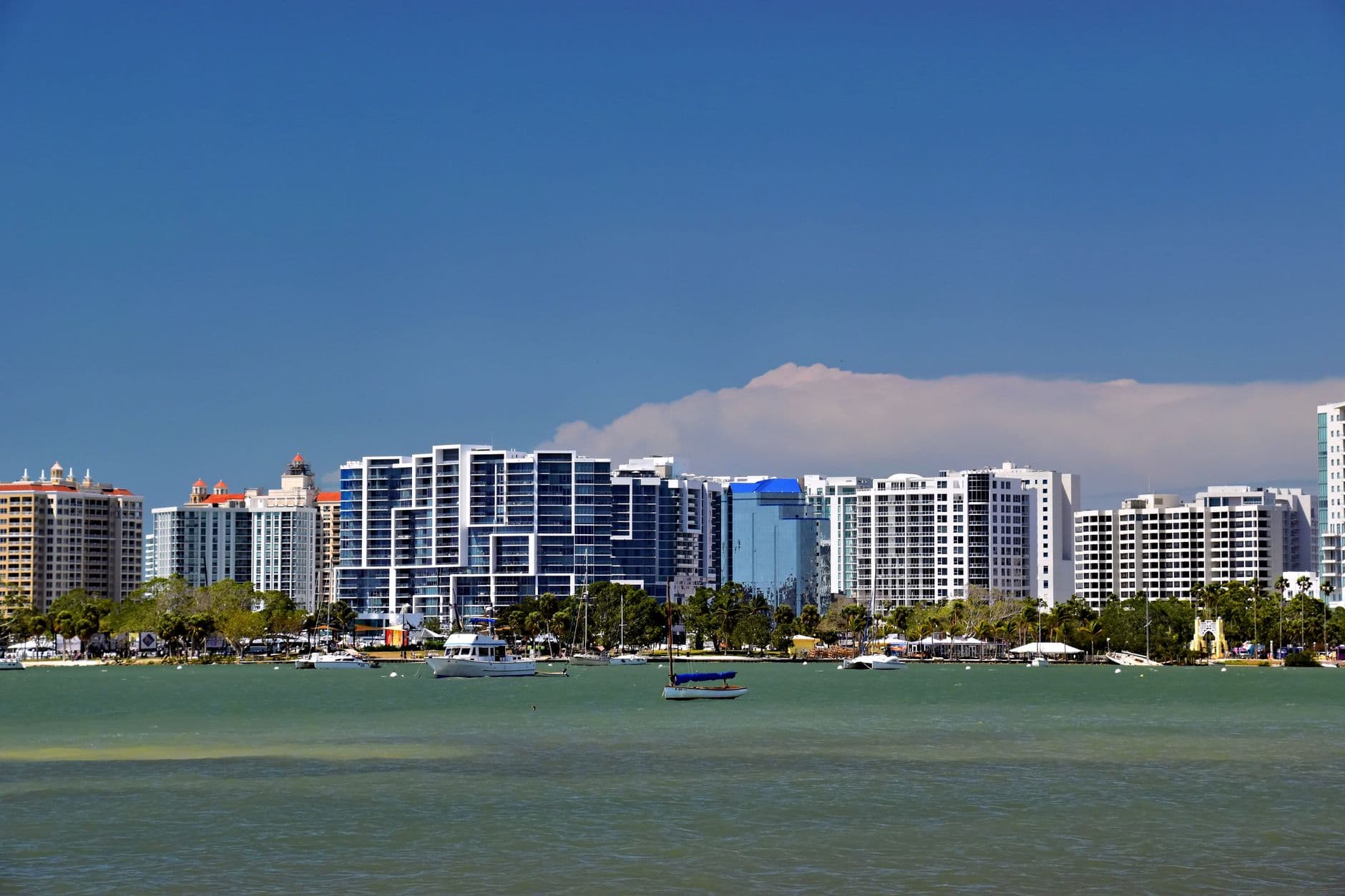
Florida's Condo Glut Is Draining: Inventory Fell 13% While Sales Rose 11%, and the Last Discount in the State Has a Clock on It
The one buyer's market left in Florida is the condo, and July's numbers show it tightening while the median sits flat at $295,000. The leverage is real today and will not be for long.
Rates Just Fell to 6.65%. In Florida, the Buyers Who Waited for That Lost More Than They Saved.
Two straight weekly declines handed Florida's rate-watchers a four-dollar-a-month rounding error. While they waited, single-family inventory fell 13.5%, and the leverage went with it.
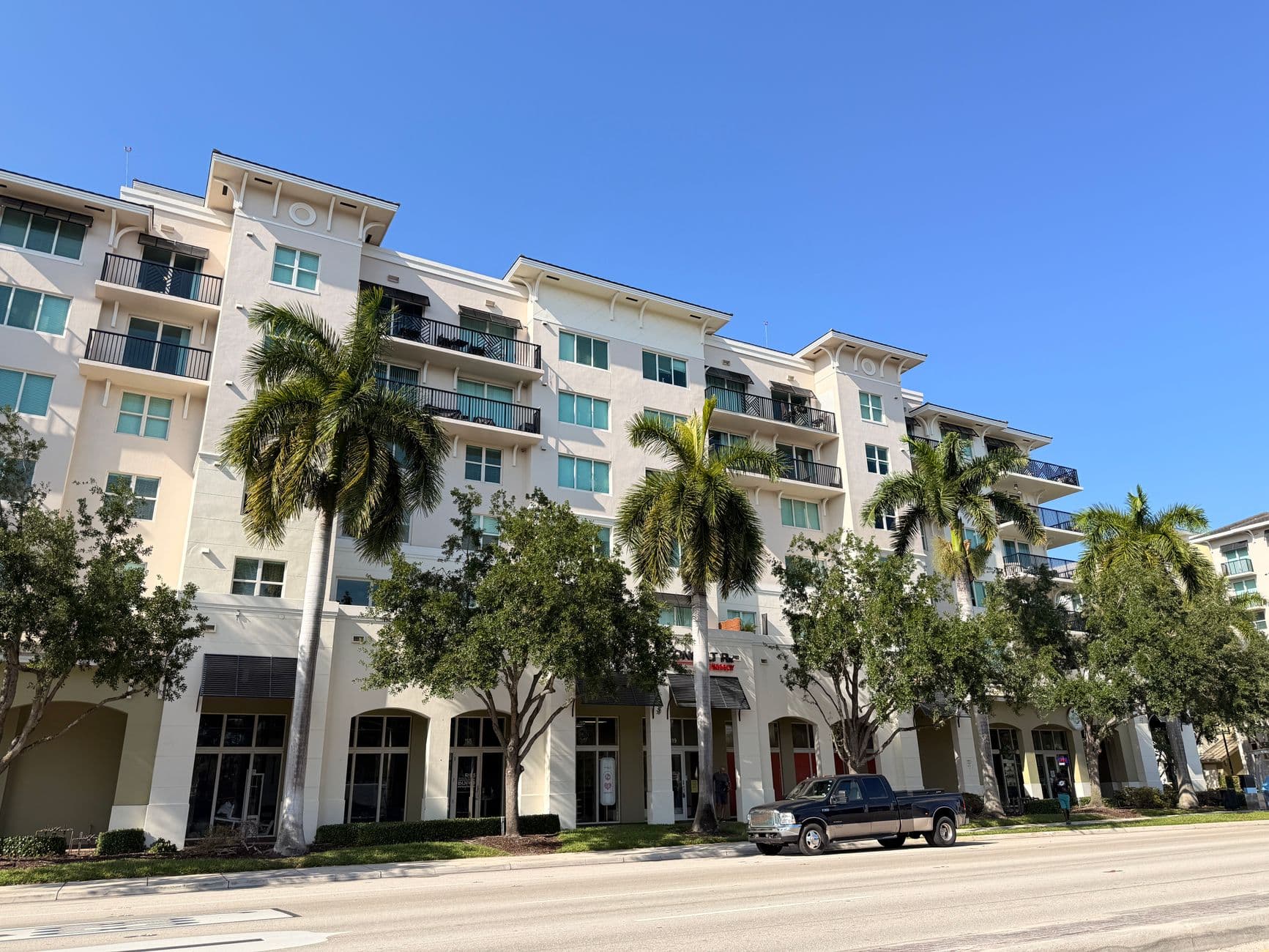
Only 21 of South Florida's 2,397 Condo Buildings Can Get an FHA Loan. That, Not Supply, Is Why Condos Are Cheap.
Florida's condo glut is clearing and prices still fell in July. The discount is a financing problem, and only some buyers get to keep it.
America's Housing Inventory Is Rising. Florida's Is Shrinking. The Buyer's Market Is Leaving Early.
Active listings fell about 14% across Florida in the past year while the rest of the country's grew. The soft prices buyers love are the last of the glut, not the start.
Every One of Florida's Four Biggest Metros Cut Rent Faster Than the Country. Tampa Leads at Minus 5%.
A multiyear apartment boom is dragging Florida rents below the national trend, and that is the real ceiling on for-sale prices right now.
Price Cuts Are Rising Again. Just Not in Florida, Where Every Big Metro Cut Less Than a Year Ago.
July's national jump in seller price reductions came from the Northeast and Midwest. In Miami, Tampa, Orlando and Jacksonville, the share of listings with a cut fell year over year while inventory kept shrinking.
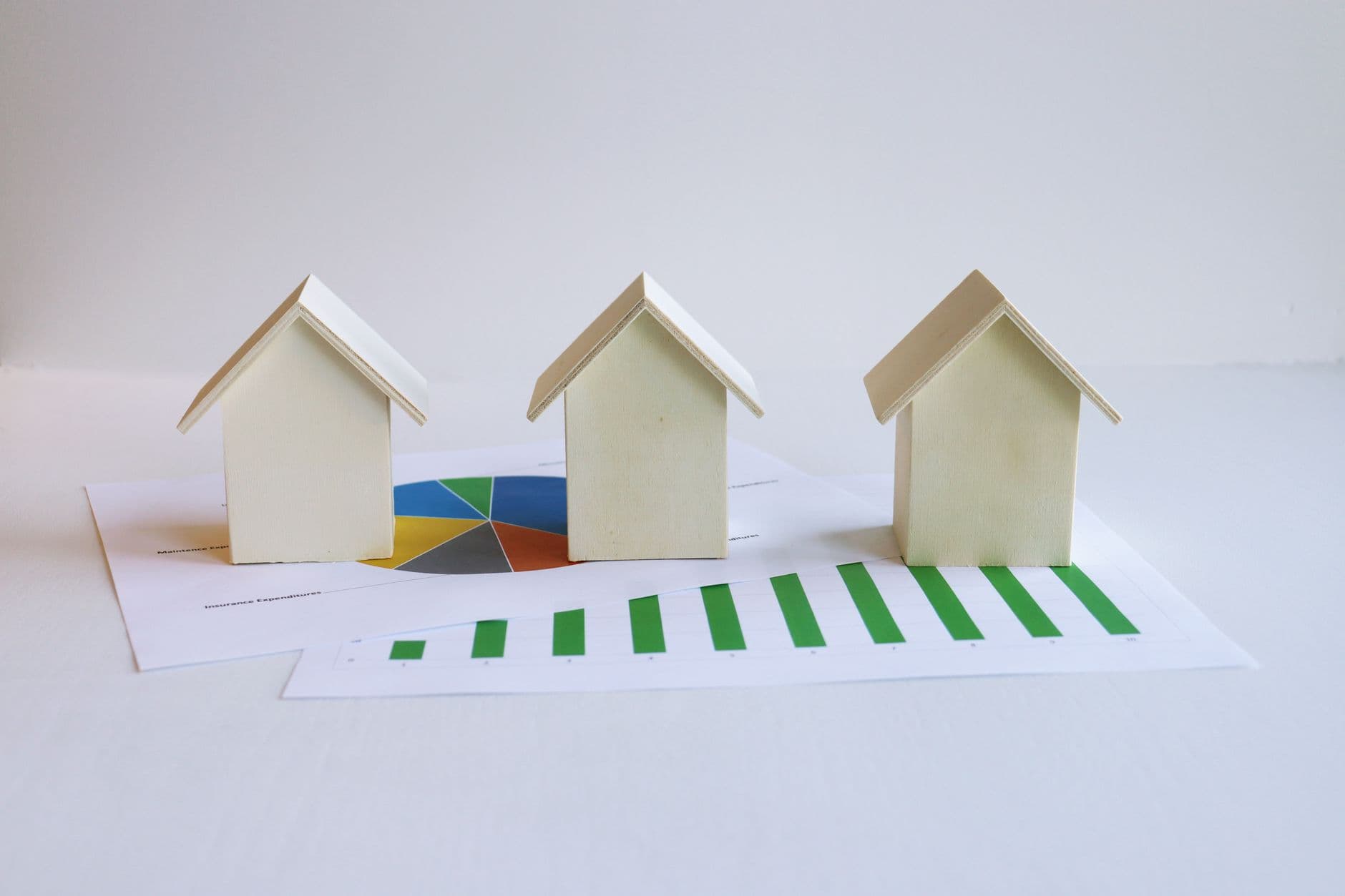
Florida's 4.9% Price Jump Is Mostly a Mirage. The Quarter Says 2.4%, and the Truth Is Flat.
June's headline gain is measured against a weak 2025. Read the quarter instead, and a flat market becomes your negotiating leverage.
Florida's Migration Boom Fell Two-Thirds. Home Sales Rose Anyway, Because the Buyers Moved Inland.
Net migration dropped from 599,000 in 2022 to 201,000 in 2025, yet June sales climbed across the state. The demand didn't leave Florida. It left the coast.
Jacksonville and Miami Just Posted America's Two Biggest Inventory Drops. Florida's Buyer's Market Lives on the Gulf.
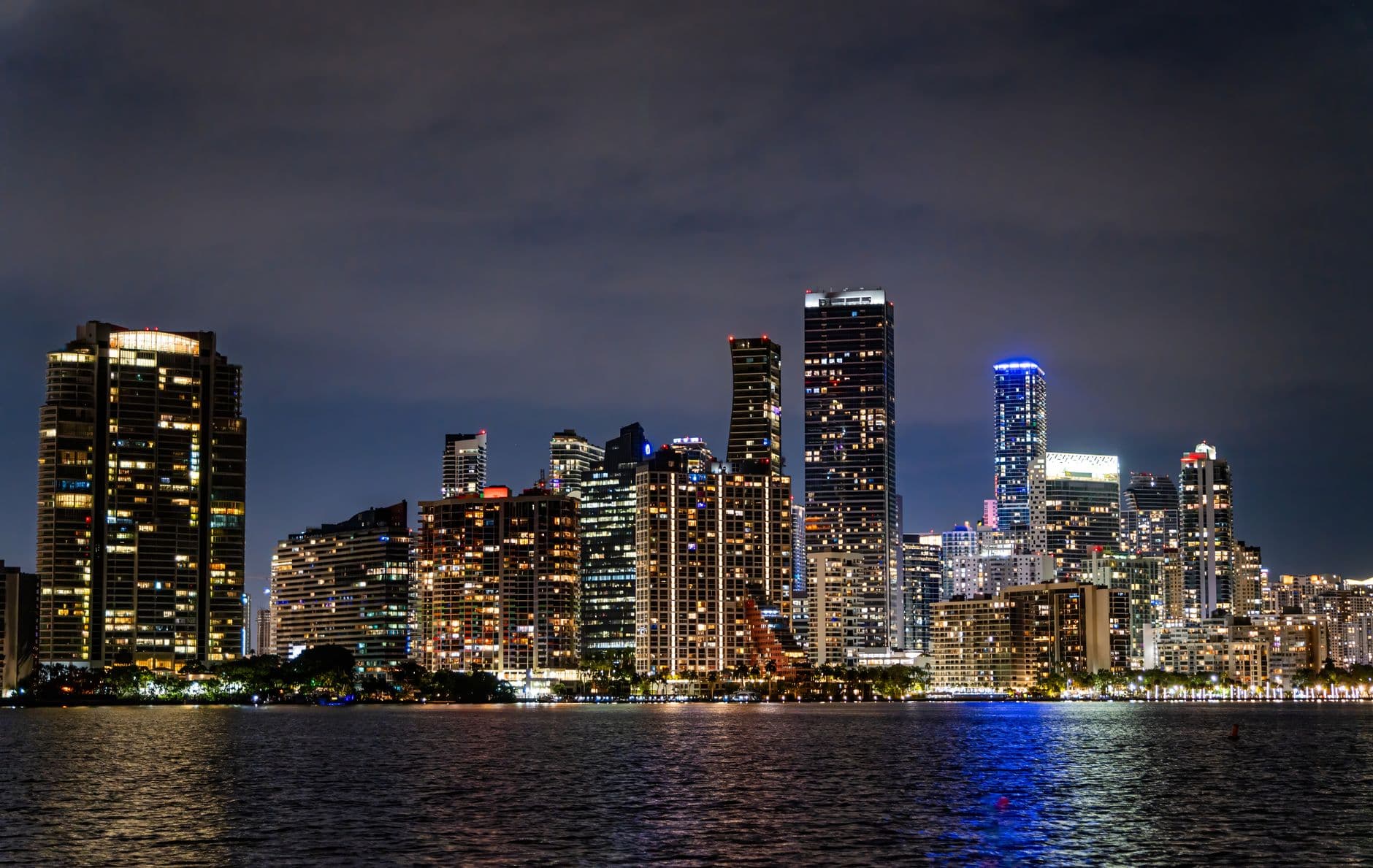
The listings glut everyone blames on Florida is real, but it sits in Tampa Bay and the I-4 corridor, while the Atlantic metros are quietly running out of homes.
Rates Just Hit an 11-Month High and Florida Kept Buying. The Wait for a Cut Is a Losing Bet.
Florida logged a 10th straight month of sales gains in June with the 30-year fixed at 6.55%. Demand isn't waiting for cheaper money, and outside one corner of the market, neither should you.
Florida condo sales jumped 14% and the supply barely moved. That is what a structural glut looks like.
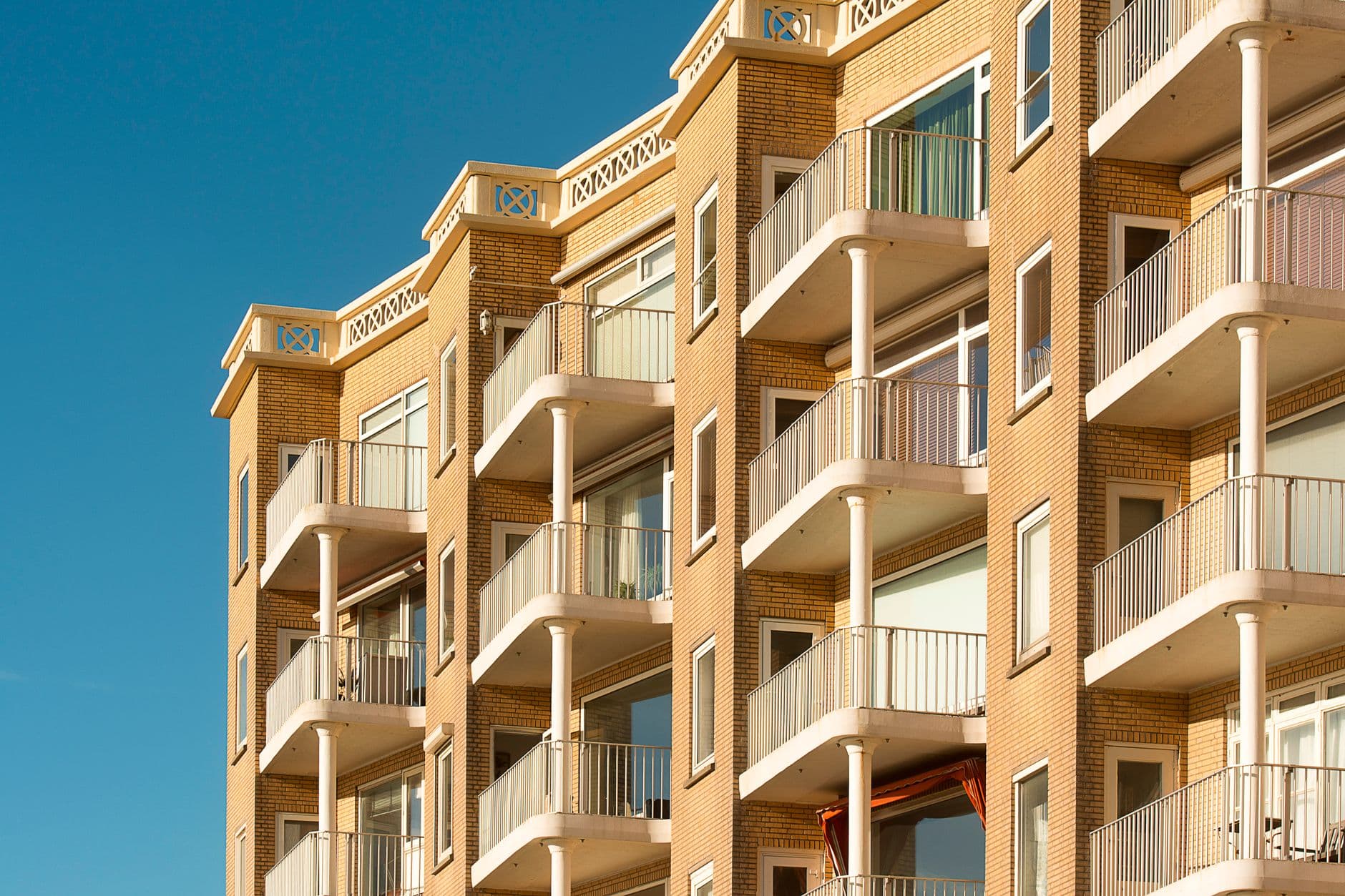
Both halves of Florida's market are gaining in price now, so the old story is dead. The live one is 8.1 months of condo supply that a strong sales month could not clear.
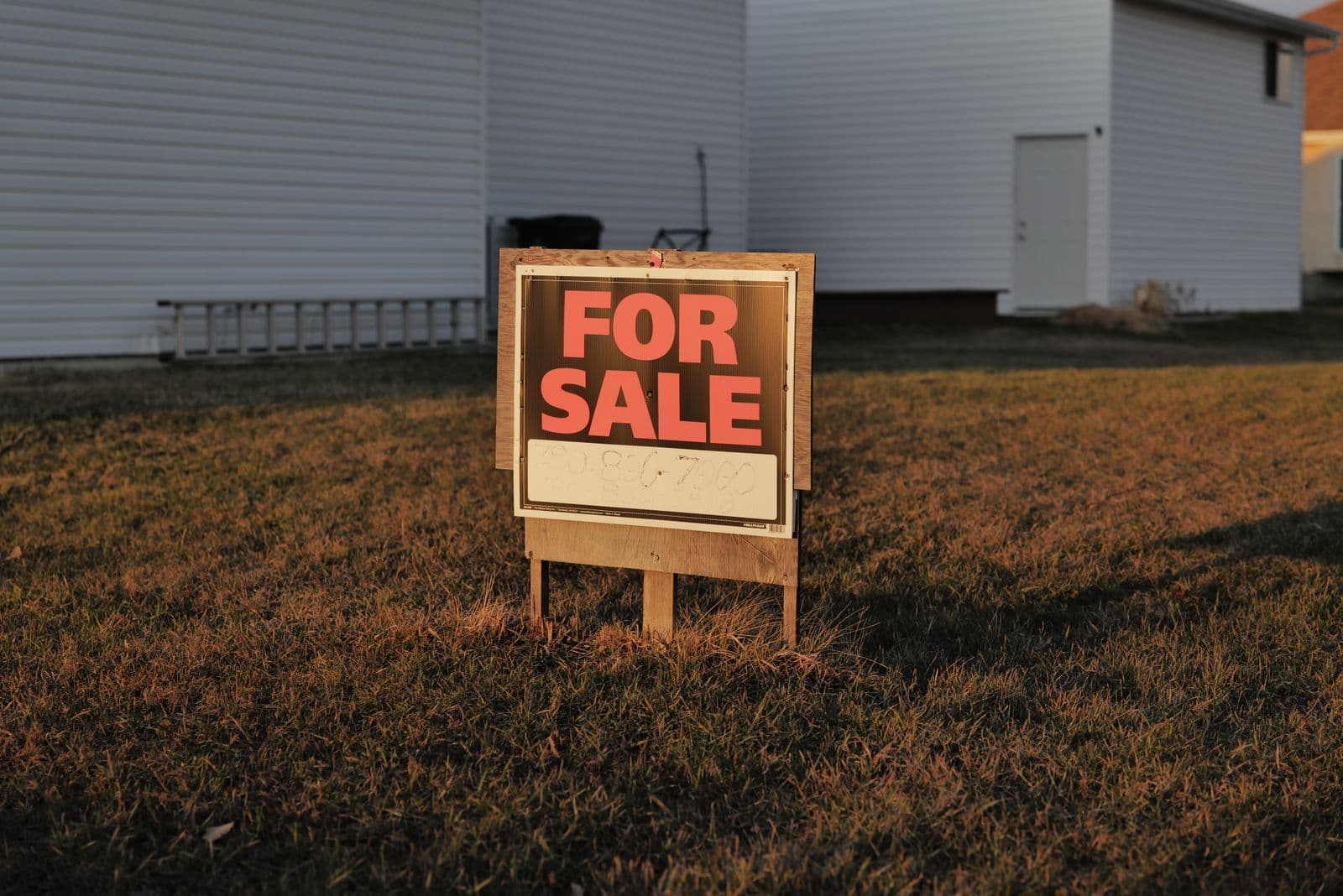
It's a buyer's market, and the receipts are in: sellers paid concessions on nearly half of sales
There are far more sellers than buyers, and sellers are paying for it at the closing table at a record clip. Florida buyers negotiating like it's 2022 are leaving money behind.
Florida's insurance squeeze finally turned, and buyers across the state quietly got a raise
Citizens is cutting rates and private carriers are back. The monthly-payment math for a Florida buyer moved the right way for the first time in years.
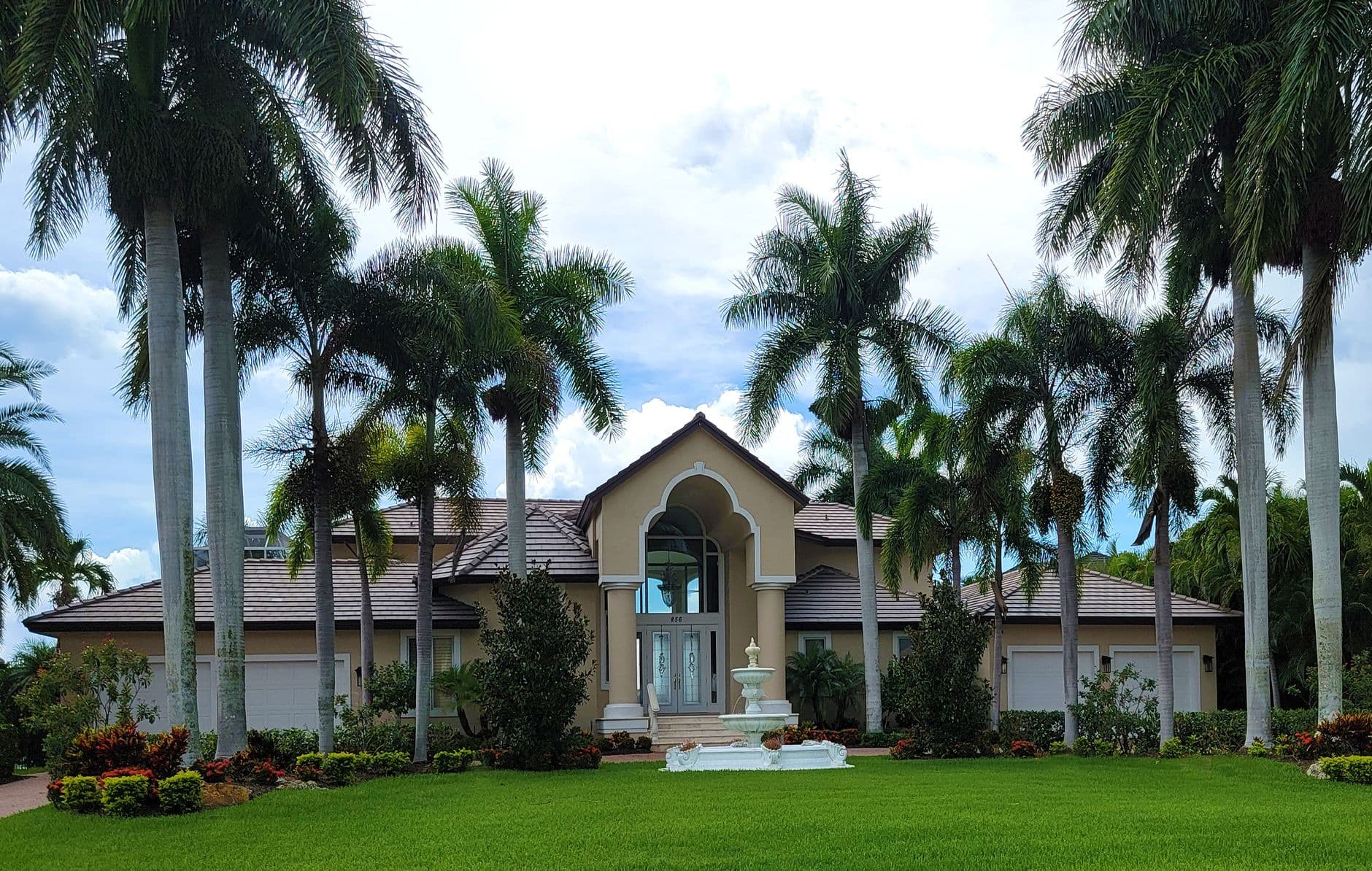
Florida's seven-figure markets stopped climbing. You don't need cash to get in
Luxury from Naples to Palm Beach to Winter Park cooled from vertical to flat, and a well-qualified financed offer now competes with cash more than buyers think.
The frozen market thawed: homes sell in 53 days again, the same as before the pandemic, and the mortgage handcuffs are cracking
Time on market has normalized to its pre-pandemic pace and the sub-3% lock-in is loosening, which points to more inventory and more negotiable deals ahead.
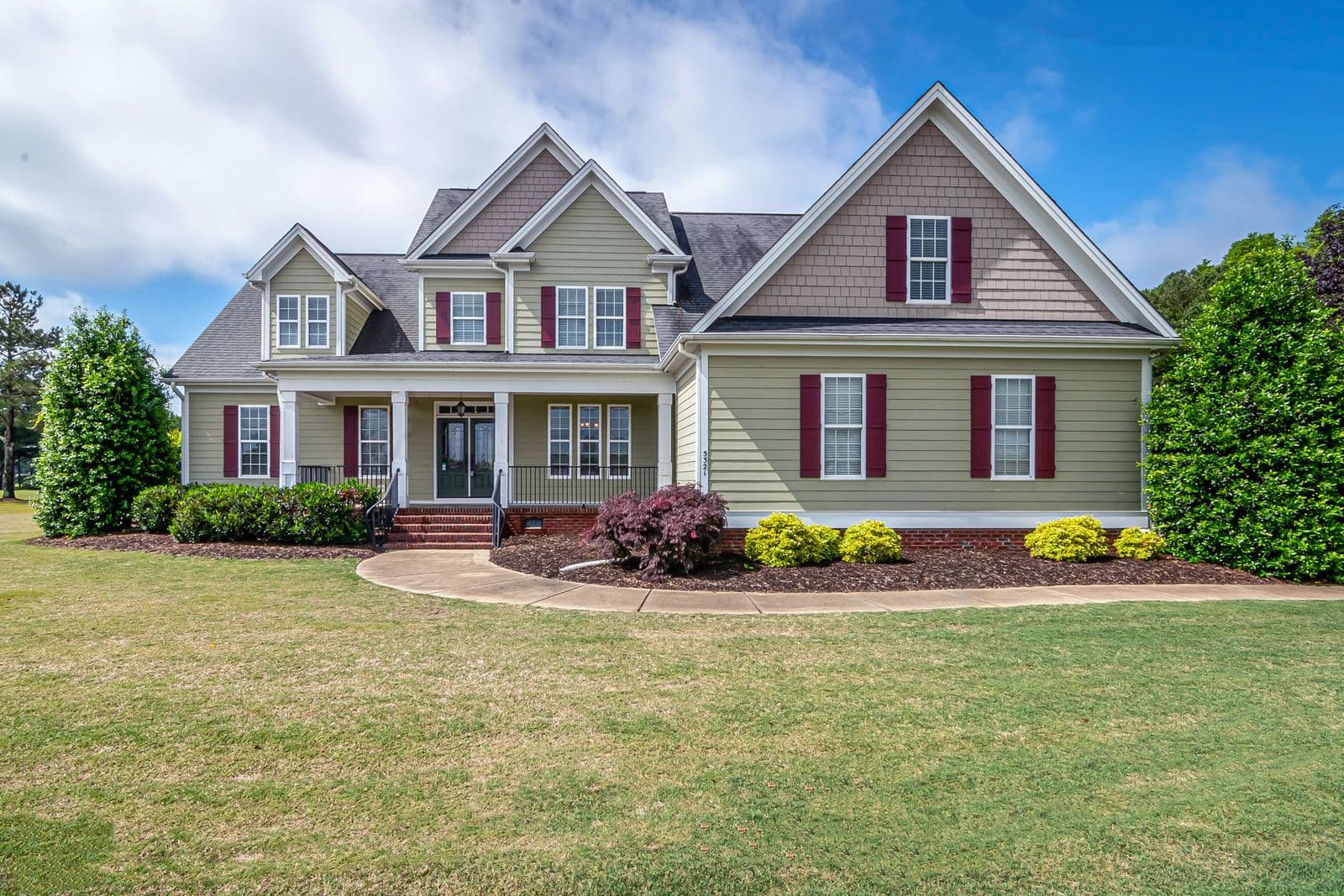
You now need $109,000 to buy the median U.S. home, up $15,600 since January. The sticker was never the problem
Affordability is set by the payment and the income it takes to qualify, not the list price. That bar rose five straight months in 2026, which is exactly why much of Florida deserves a second look.
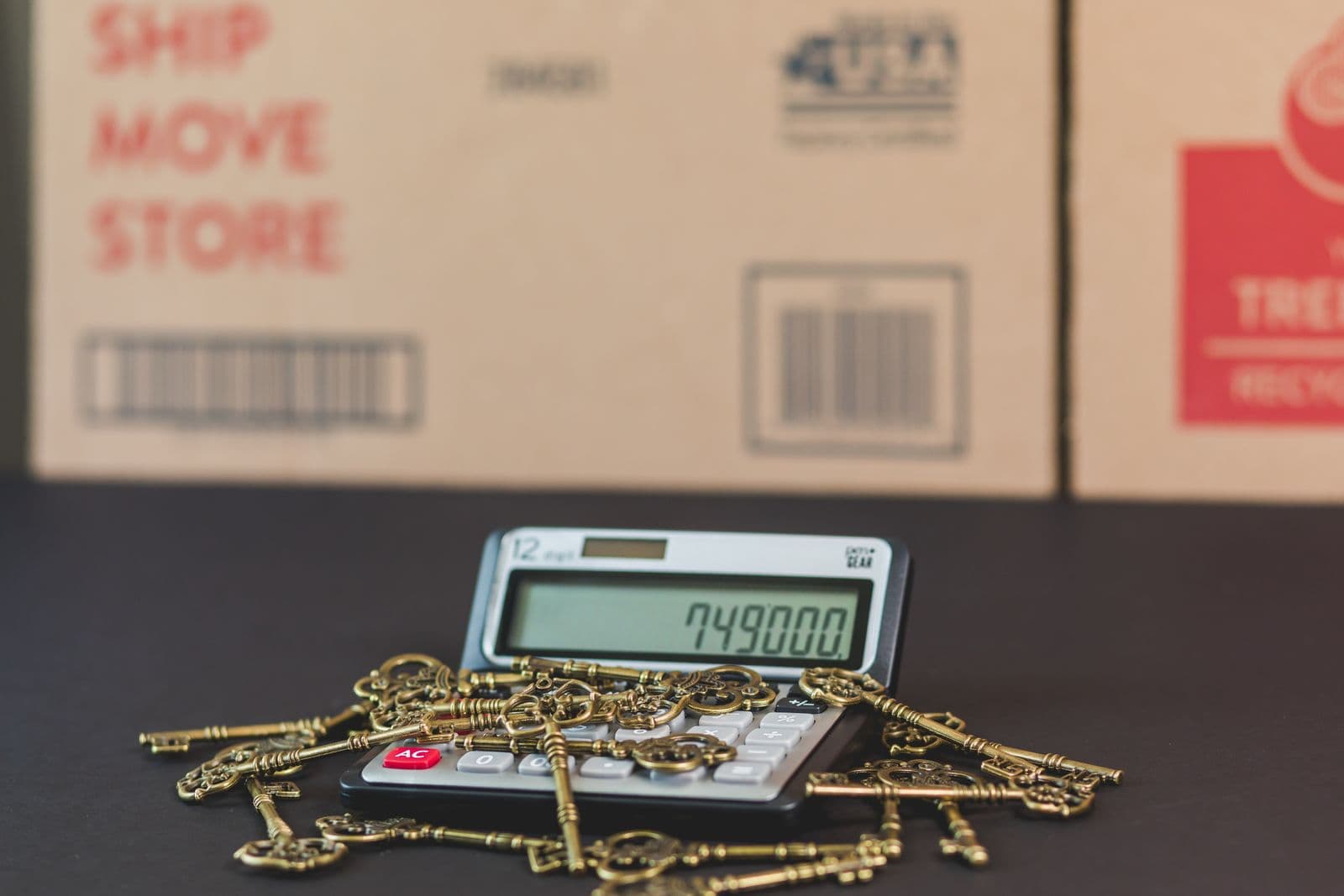
The Fed hasn't cut rates once in 2026. Your mortgage climbed half a point anyway
Buyers timing a purchase to the next Fed meeting are watching the wrong number. The 10-year Treasury is the one that moves your rate.
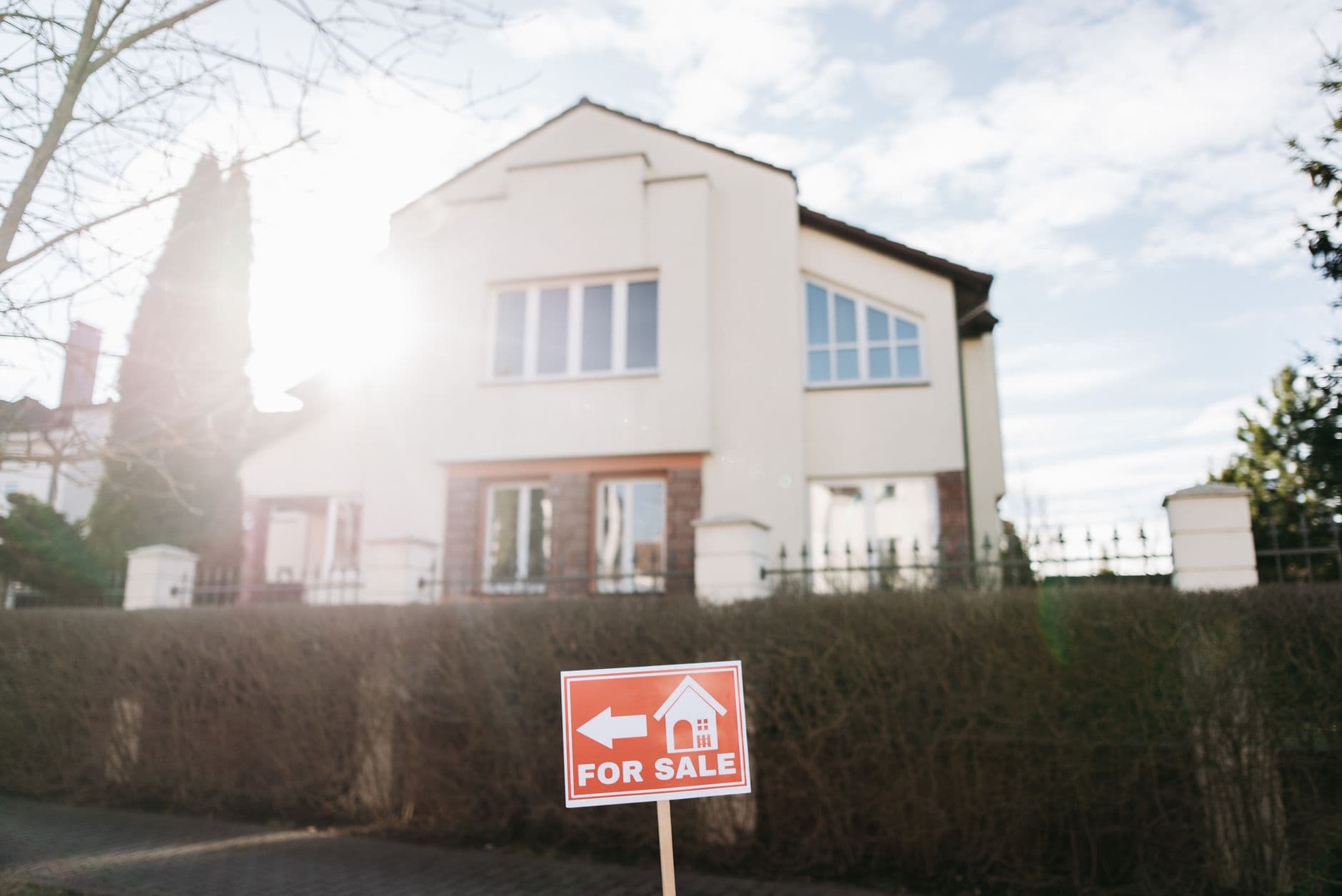
Price it once: in a market giving concessions on nearly half of sales, an aspirational list price is a tax you pay twice
Overpricing in a buyer's market is not a 'we can always come down' move. It is a stale listing plus the concession you end up giving anyway.
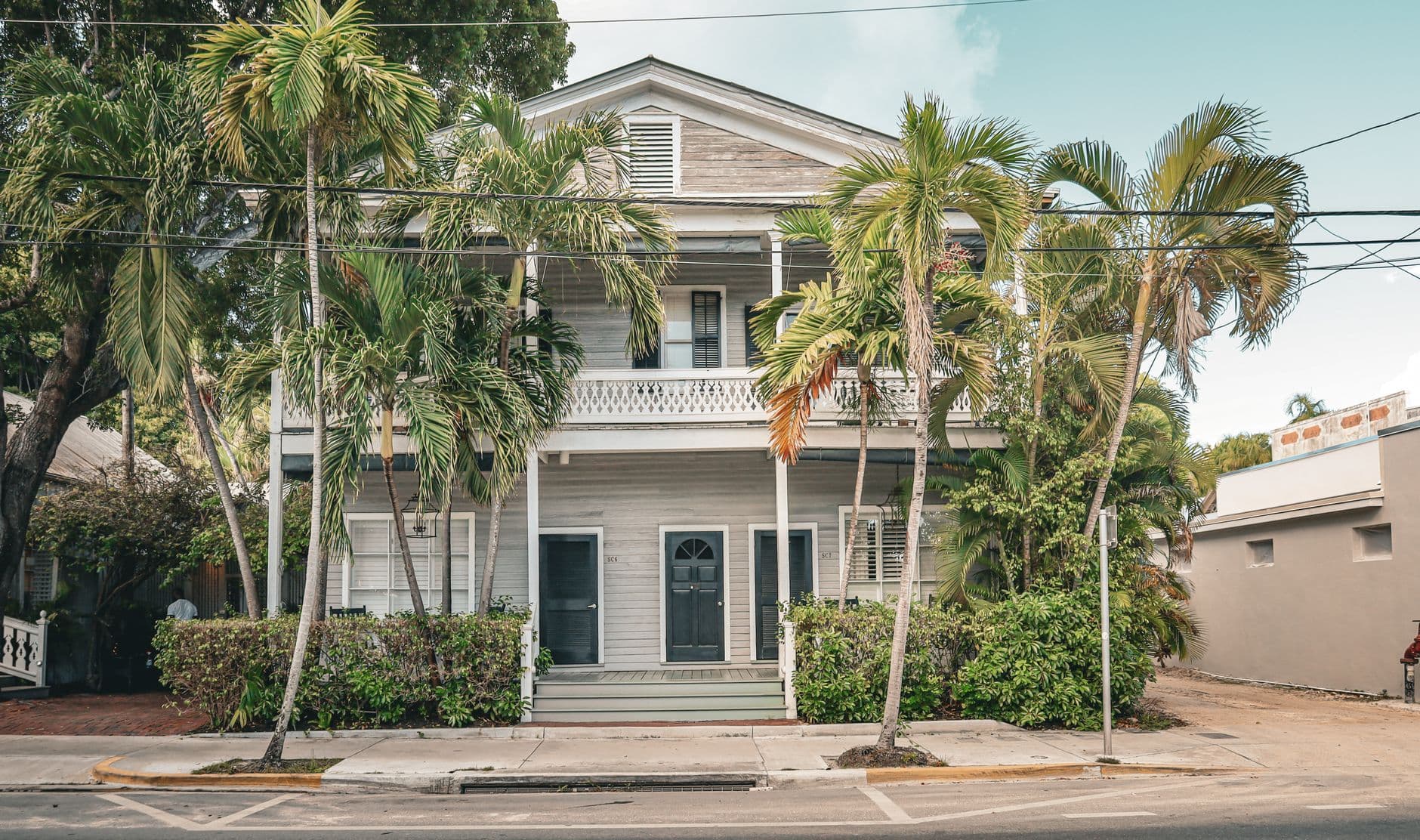
The property tax on your new Florida home isn't the seller's. Save Our Homes resets the year after you buy
The most misunderstood number in a Florida purchase is the tax line on the listing. It belongs to the seller, and it disappears the January after you close.
Take the buydown, not the price cut: the same seller dollars hit year-one payment about eight times harder
In a market handing out concessions on nearly half of sales, how you take the money matters more than that you take it.
Stop counting on a refinance you might never get. Underwrite the payment you can afford today
'Marry the house, date the rate' is good marketing and dangerous planning. The only safe way to buy in 2026 is to make the payment work at today's rate.
REHL Research
Get the market read in your inbox
We publish what the numbers actually say about the markets you work in: rates, inventory, insurance, what it means for the price you pay. Sent when the data moves, not on a schedule.
Looking at homes right now? Start your search.